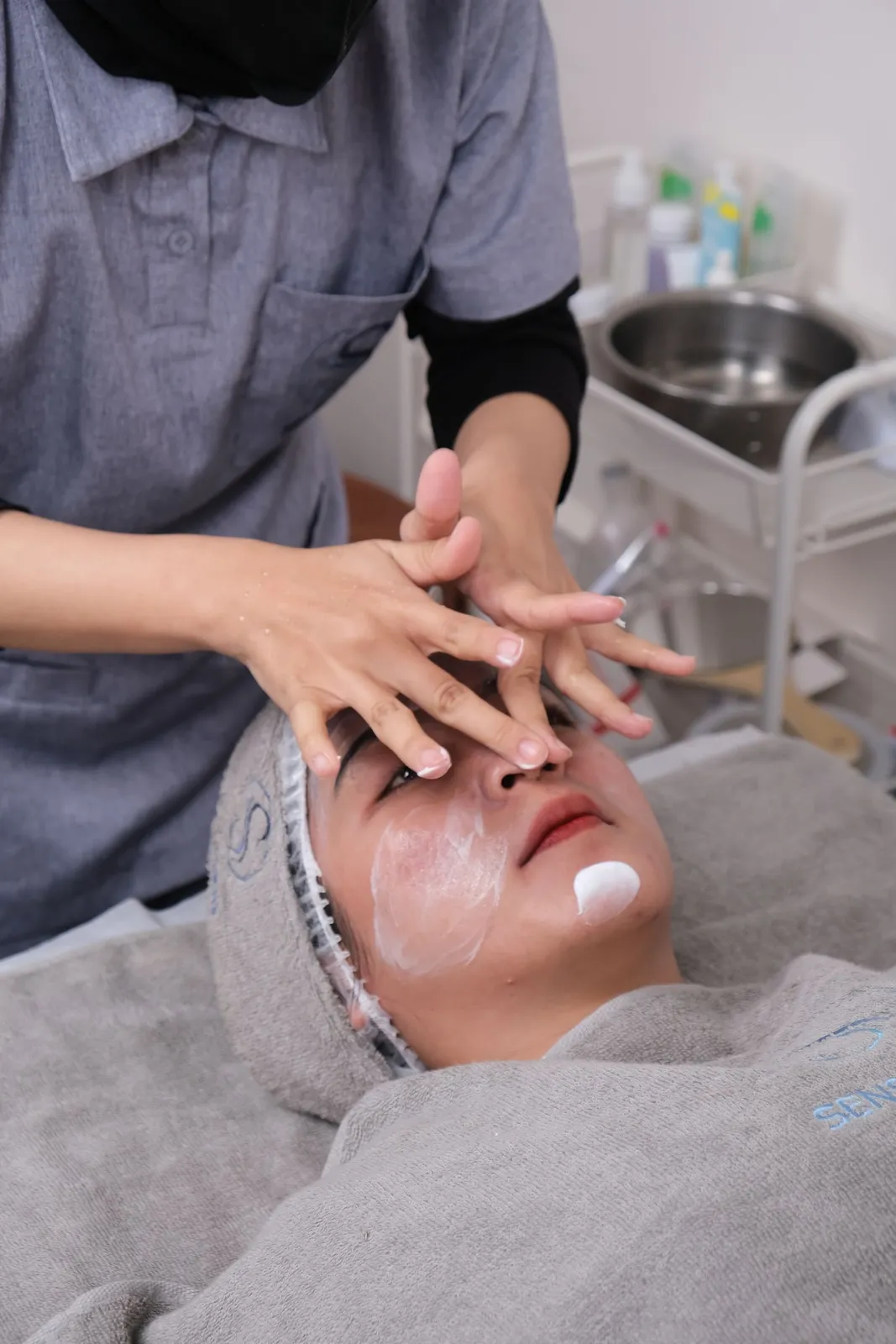
An aesthetic clinic sits between a spa and a medical practice. Clients shop for it like a salon service, but many of the treatments are medical, and the way you hire, buy, and keep records has to reflect that.
This guide covers the decisions in order: what you will offer and who can do it, registering the business, the health permits, products, pricing, and records. Peso figures are made-up examples to replace with your own.
Decide which treatments you will offer
Your menu decides your staff, your rooms, and your permits, so write it first. Group it by who is allowed to do each treatment, not only by what clients ask for.
- Medical treatments, such as injectables, some lasers, and prescription skin treatments, are medical procedures: a licensed physician should assess the patient and perform or directly supervise them.
- Skin and body treatments, such as facials, peels at cosmetic strength, and slimming machines, are often done by trained aestheticians or nurses under a protocol the doctor sets.
- Retail, such as sunscreen and aftercare products, adds income without adding room time.
Go through the rules for each profession with your medical director, and agree which treatments each role may do at your clinic. Write the answer into your service list, so the front desk never books a treatment with the wrong person.
Find your medical director before your location
A clinic that offers medical treatments is only as available as its doctor. Agree on the doctor's days, how they are paid, and who covers when they are away before you sign a lease, because your opening hours follow their schedule.
- Check every license with the PRC's online verification and keep a copy on file. Do the same for nurses.
- Agree on protocols in writing: who assesses a new patient, who may treat a returning one, and when the doctor must see them again.
- Decide how the doctor is paid: a fixed fee per clinic day, a share of each treatment, or both. Commission rules work the same way as for any team member. See how to work out staff commissions.
Register the business, then ask about health licenses
The business registration is the same as for any shop, and each office asks for the papers from the one before it.
- Register the name with DTI as a sole proprietor, or with the SEC as a corporation or partnership.
- Get a barangay clearance where the clinic is.
- Apply for a mayor's permit at the city or municipal business permit office, with the lease, a zoning clearance, a fire safety inspection, and a sanitary permit.
- Register with BIR (Form 1901 for a sole proprietor) and receive your Certificate of Registration, Form 2303. Since the Ease of Paying Taxes Act (RA 11976), service businesses issue invoices.
- Register as an employer with SSS, PhilHealth, and Pag-IBIG before your first hire.
Health facility licensing depends on what you do inside the clinic. Before you sign a lease, ask the Department of Health's regional office and your city health office which license to operate applies to your list of treatments, and what the rooms need to pass inspection.
Buy only products you can trace
Clients trust you with what goes into their skin. Buy injectables, fillers, and devices only through suppliers you can name, and check that each product is registered with the Philippine Food and Drug Administration on the FDA's online verification portal.
- Record the lot number and expiry for every product used on a patient, so you can find everyone treated from one batch if a supplier recalls it.
- Store products as the label says, with a fridge log for anything kept cold.
- Count stock on a schedule, and reorder before a popular treatment runs out.
Price a treatment from its real cost
A treatment price has to cover the product, the provider, the room, and something left. Work it out per treatment.
Here is an example with made-up numbers. A treatment uses ₱3,000 of product, the doctor earns ₱2,000 for it, and the room costs about ₱300 an hour in rent and power. A 45-minute treatment costs you roughly ₱5,225 before front desk, advertising, and your own pay. Priced at ₱8,000, it leaves about ₱2,775 for everything else.
Courses of treatment, such as a set of sessions spaced weeks apart, sell well as packages. Price the package so each session still covers its cost. See how to sell treatment packages.
Keep a record a doctor can continue
Each visit's record should let the next provider pick up where the last one stopped: what was done, with which product and lot, the before and after photos, what the patient agreed to, and who signed it. The Data Privacy Act of 2012 applies to health information, so ask your lawyer what it means for your clinic. See how to keep patient records.
Collect medical history before the first visit, not in the waiting room, so the doctor reads it before the patient sits down. See how to set up intake forms and waivers.
Take bookings with a deposit
Medical treatments often take a doctor's limited hours, and an empty one cannot be filled by a walk-in. Ask for a deposit on those, and set a cancellation window that gives you time to fill the slot. See how to reduce no-shows.
Onsuki's Charting writes each visit from a template, reads the product's lot and expiry from your inventory, and has the provider sign with their PRC number. Bookings can require a deposit and an intake form before the visit, and courses sell as packages. Charting is on the Clinic plan. See Aesthetic clinics.