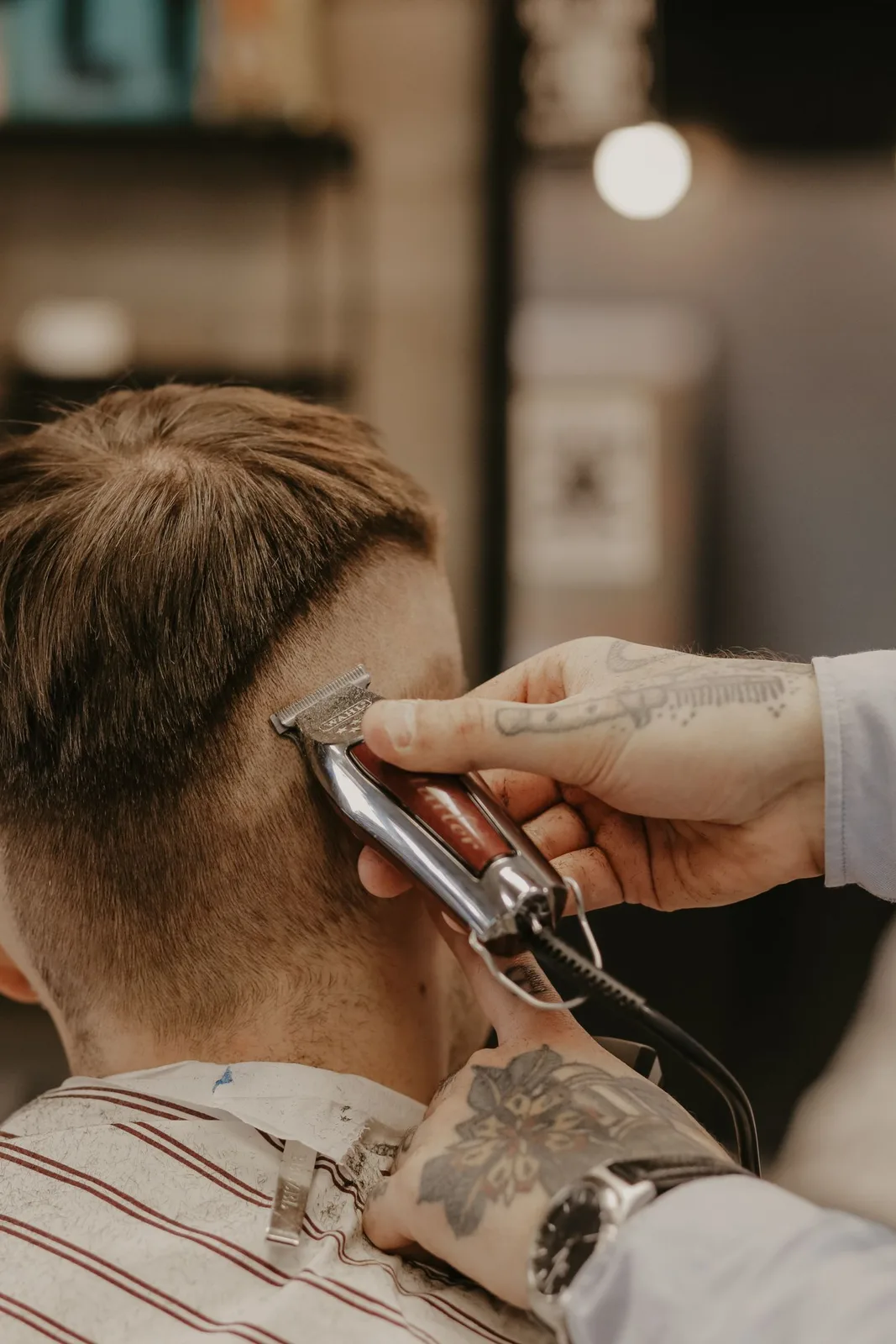
A barbershop runs on short services and regulars. A men's cut takes 30 to 45 minutes, clients come back every few weeks, and a busy Saturday is won or lost on how fast the next chair opens.
This guide covers the decisions in order: where to open, what to register, how to pay your barbers, how to price, and how to run walk-ins beside bookings. Peso figures are examples to replace with your own.
Pick a spot people walk past
More of a barbershop's business comes through the door than a salon's, so foot traffic matters more than floor area. A ground-floor unit near offices, a school, or a transport stop in Quezon City or Makati fills chairs on its own. A second-floor unit costs less and works once you have regulars who book ahead.
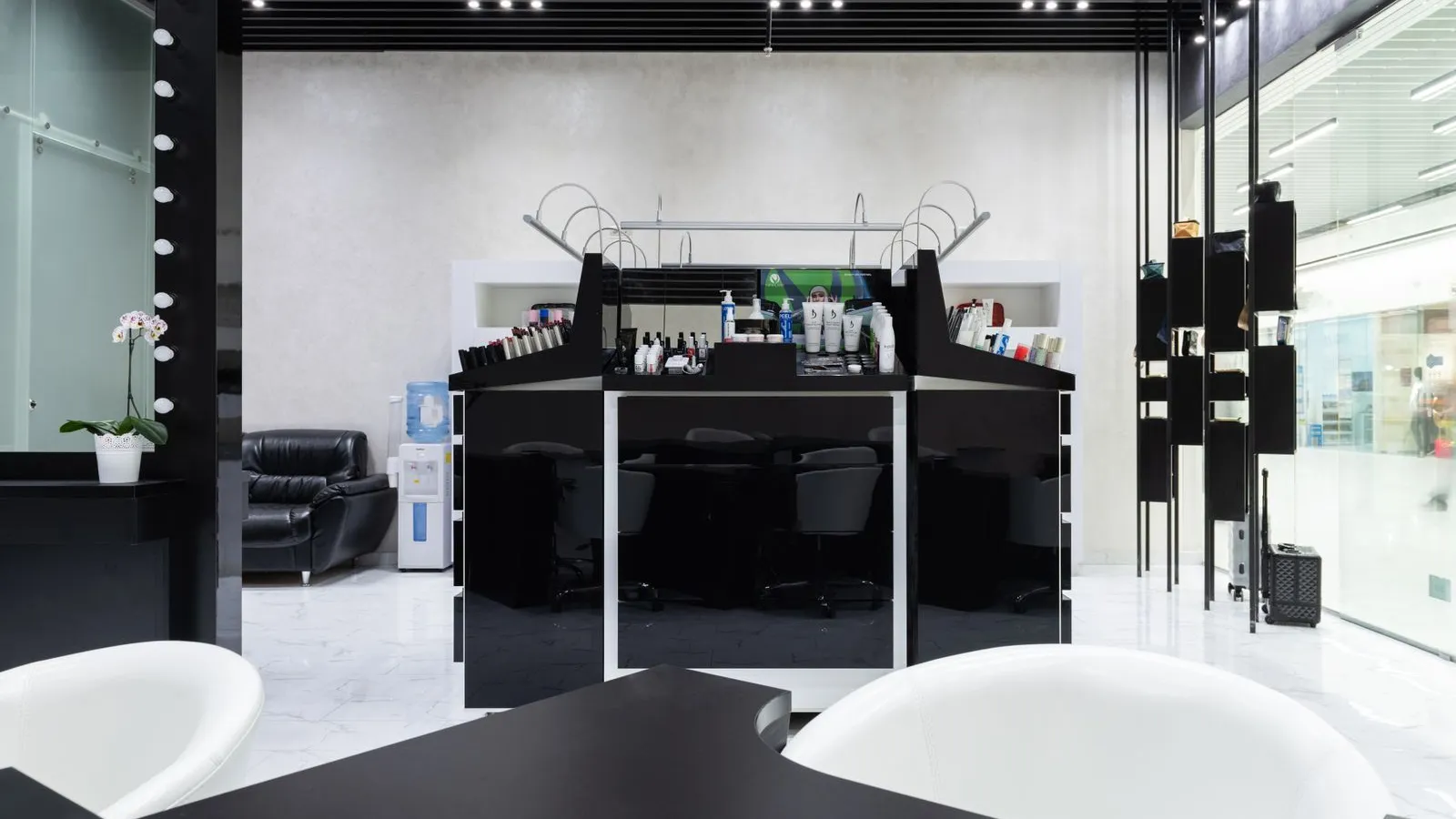
- Count chairs first. Two to four chairs is a common start: enough to take walk-ins while one barber has a booking.
- Check water and drainage at each station if you will wash hair, and power for clippers, dryers, and air conditioning running at once.
- Confirm in writing that the building allows a barbershop. The business permit office asks for the lease.
Register the shop and get your permits
Work through the offices in order, because each one asks for the papers from the last.
- Register the name with DTI as a sole proprietor, or with the SEC as a corporation or partnership.
- Get a barangay clearance where the shop is.
- Apply for a mayor's permit with the lease, a zoning clearance, a fire safety inspection, and a sanitary permit.
- Register with BIR (Form 1901 for a sole proprietor), receive Form 2303, register your books, and set up your invoices before the first sale.
- Register as an employer with SSS, PhilHealth, and Pag-IBIG before your first hire.
The Code on Sanitation has rules for barbershops and beauty parlors. Expect a sanitary permit from the local health officer, renewed every year, and a health certificate for you and every barber. Clippers, combs, and razors are cleaned and disinfected between clients, so keep enough sets that a barber never waits for one to dry.
Choose chair rental or commission
How you pay barbers shapes who you hire and who owns the client. Decide before the first interview.
| Compared | Commission | Chair rental |
|---|---|---|
| Barber earns | A share of each service | Everything they charge, minus the rent |
| You earn | The rest of each service | A fixed rent, busy or not |
| Who sets prices | You | Usually the barber |
| Who fills the chair | Mostly the shop | Mostly the barber |
| Fits | A new shop building its own name | Barbers who bring their own regulars |
Many shops mix the two: commission for barbers you trained, a base plus commission for seniors. For the arithmetic, see how to work out staff commissions. TESDA assesses Barbering NC II, which shows someone has trained. A cut on a model shows whether clients will come back.
Price a cut by the chair hour
Start from what one chair costs you for an hour, then make sure each service covers its share.
Here is an example with made-up numbers. Rent and power come to ₱45,000 a month for three chairs open 26 days, about ₱577 a chair per day. If a chair is busy seven hours a day, each hour carries about ₱82. A ₱350 cut that takes 40 minutes carries about ₱55 of that. At 50% commission, the barber earns ₱175, and ₱120 is left for supplies, towels, and you.
- Price add-ons by time, such as a beard trim, a hot towel shave, or a hair wash.
- Charge more for a senior barber if clients ask for them by name. One service can carry a price per level. See how to price services by staff level.
- Recheck prices when rent or power changes, not only once a year.
Run walk-ins and bookings on one list
A shop that only takes walk-ins makes regulars wait. A shop that only takes bookings turns away the person standing at the door. Most do both: bookings for regulars and busy hours, walk-ins in the gaps.
- Keep one schedule that the front desk and every barber see, so a booked chair is never given to a walk-in.
- Tell walk-ins a real time, such as "the next chair is free at 3:20", instead of "about 20 minutes".
- Set a minimum notice for online bookings, so the last few gaps of the day stay open for the door.
For the full method, see how to handle walk-ins and appointments together.
Count the money every night
Barbershops take a lot of small cash and GCash payments. Count the drawer and match each GCash and bank total against its app every night, so a short day is found while everyone still remembers it. See how to close out the day.
In Onsuki, Walk-in on the calendar lists which barber can take the client and when, soonest first, and books them in one tap. Clients book online from your page or from a barber's own link, each service can have a price per level, and End of Day totals the day by payment method and checks the drawer. See Barbershops and Appointments.