A salon sells time in a chair. Every hour a chair sits empty is income you can't get back, and every hour it's booked has to cover the stylist, the product, and the rent. Starting one well means planning around that hour.
This guide covers the decisions in order: what to offer, where, what to register, who to hire, how to price, and how to keep the chairs full. The peso figures are examples to replace with your own.
Decide what kind of salon you're opening
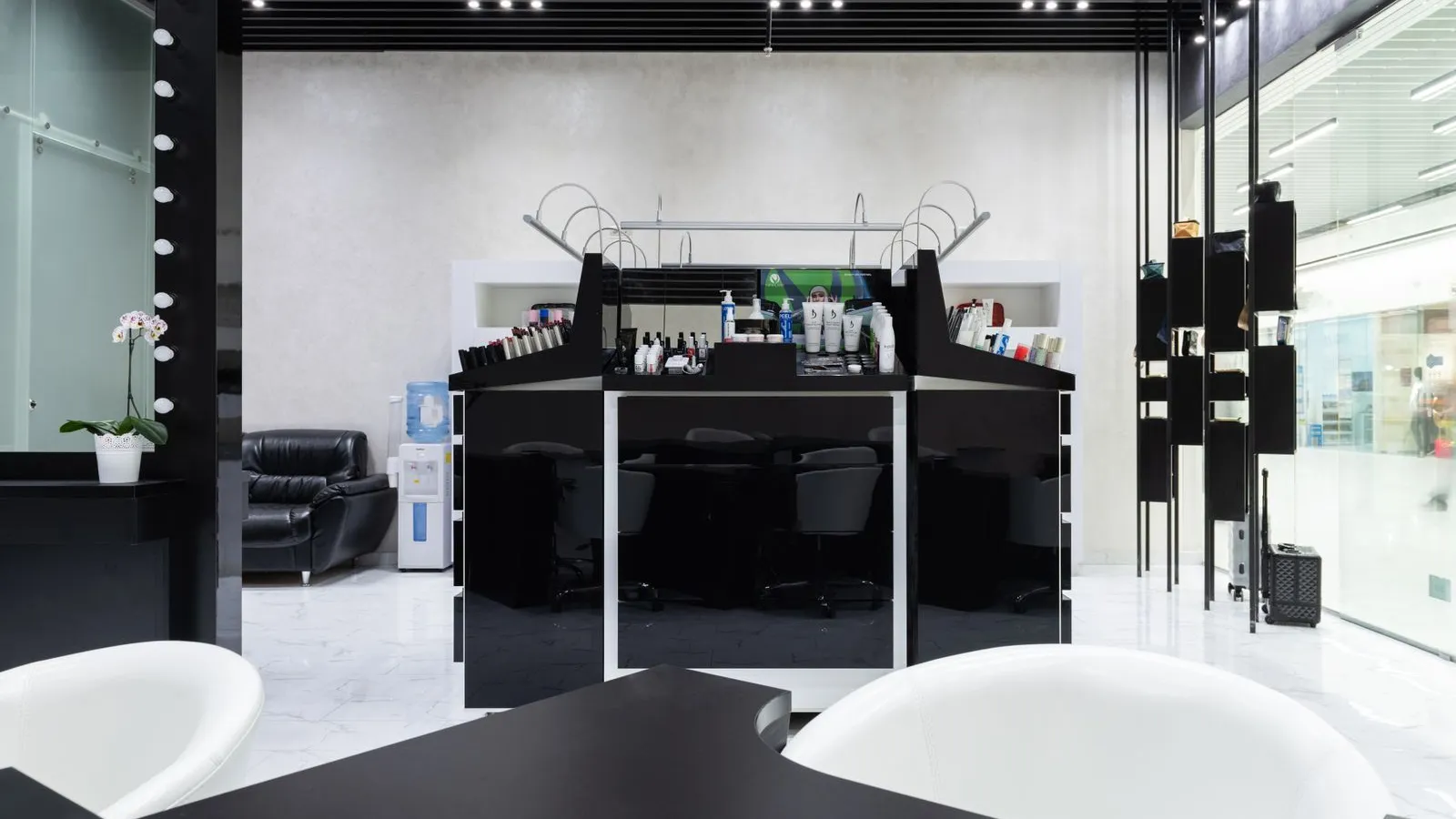
A hair salon, a nail salon, and a full-service salon need different rooms, different equipment, and different people. Pick the services you'll be known for, then add the ones that fit beside them.
- Hair needs wash basins with plumbing, good ventilation for color and treatments, and enough power for dryers and irons running at once.
- Nails needs tables and pedicure chairs, good light, and ventilation for polish and acrylics.
- Lashes and brows needs quiet, well-lit beds and longer appointments, so fewer clients a day at a higher price each.
Write your opening menu with the time each service takes. A men's cut in 30 minutes, a gel manicure in 60, and a color in two hours fill a day very differently, and that time is the basis for your prices later.
Choose a location and size it by chairs
The number of chairs or stations you can staff is your capacity, so size the space to that number, not the other way around. A mall stall in Cebu or a street-front unit in Quezon City brings walk-ins. A second-floor unit in Makati costs less to rent but depends on clients who book ahead.
- Check the plumbing and power before you sign. Moving drains for wash basins and adding circuits for dryers can cost more than the fit-out you planned.
- Ask the landlord about the business permit. Your city's permit office asks for the lease contract, so confirm in writing that the building allows a salon.
- Count what each chair has to earn. Say rent is ₱60,000 a month and you have five chairs open 26 days a month. Each chair carries about ₱460 of rent a day before anyone is paid.
Register the business and get your permits
Each office asks for the papers from the one before it, so work through them in order. A salon has one extra step most businesses don't: the sanitary rules for beauty establishments.
- Register the name with DTI if you're a sole proprietor, online through its Business Name Registration System. Fees run from ₱200 for a barangay scope to ₱2,000 for national, plus ₱30 documentary stamp tax, as of 2026, and the registration lasts five years. A corporation or partnership registers with the SEC.
- Get a barangay clearance where the salon is.
- Apply for a mayor's permit at the city or municipal business permit office, with the lease, a zoning clearance, a fire safety inspection, and a sanitary permit.
- Register with BIR using Form 1901 for a sole proprietor, online through ORUS or at your Revenue District Office. You receive a Certificate of Registration (Form 2303). Register your books and set up your invoices before the first sale.
- Register as an employer with SSS, PhilHealth, and Pag-IBIG before your first hire.
Under the Code on Sanitation's rules for barbershops and beauty salons, a salon needs a sanitary permit from the local health officer, valid until December 31 and renewed each year. You and every employee need a health certificate from the city or municipal health officer, renewed every year. Tools must be disinfected before and after each client, so budget for the supplies and the time between appointments.
Build a team you can price around
Your stylists and technicians are your product, and clients often follow one person. Hire for skill you have seen, not only for a certificate. TESDA assesses qualifications such as Hairdressing NC II and Beauty Care NC II, which tell you someone has trained. A trial service on you or a model tells you whether clients will come back.
- Decide how you'll pay before the first interview: a salary, commission on services, or a base plus commission. Say who carries a discount and when commission is paid.
- Set levels if skills differ. A junior and a senior stylist doing the same cut can charge different prices, which sends price-conscious clients to the person with open time.
- Write down the rules for product sales, such as who earns commission on a shampoo sold at checkout.
For the arithmetic of each choice, see how to work out staff commissions and how to price services by staff level.
Price each service by time and product
A price has to cover the chair's time, the stylist's share, and the product used, with something left. Work it out per service, not by copying a menu.
Here is an example with made-up numbers. A two-hour color uses ₱450 of color and developer. The stylist earns 40% commission. The chair costs ₱460 a day in rent, and you expect to book it about six hours a day, so each hour carries about ₱77 of rent, or ₱154 for two hours.
| Price | Stylist at 40% | Product | Rent for two hours | Left for everything else |
|---|---|---|---|---|
| ₱1,500 | ₱600 | ₱450 | ₱154 | ₱296 |
| ₱2,000 | ₱800 | ₱450 | ₱154 | ₱596 |
| ₱2,500 | ₱1,000 | ₱450 | ₱154 | ₱896 |
"Everything else" still has to pay for power, water, towels, your front-of-house staff, and you. Run the same table for your three most-booked services. If one leaves almost nothing, raise its price, shorten it, or add an extra the client can choose, like a treatment.
Fill your chairs in the first months
New salons fill from three places: walk-ins, people who find you online, and the first clients you turn into regulars. Plan for each.
- Walk-ins: a clear sign with prices outside, and someone ready to say who can take a client and when.
- Online: a Facebook page, an Instagram account with your work, and a Google Business Profile, each with one booking link.
- Regulars: book the next visit before the client leaves the chair. A rebooked client is a filled slot weeks from now.
- Long services: ask for a deposit on a color, a rebond, or a full set, so a no-show doesn't empty half a morning.
For deposits and a cancellation rule that clients accept, see how to reduce no-shows.
Run bookings, payments, and stock in one place
A paper planner and a Messenger inbox work until two people promise the same chair. Before you open, put bookings, payments, and your product count where every team member sees the same thing.
Onsuki gives your salon a booking site at an address such as yourbusiness.onsuki.com where clients pick a service and a person and book on their phone. For a walk-in, Walk-in on the calendar lists who can take them and when, soonest first, and books them in one tap. One service can carry a price for each staff level, add-ons add to the price and the time, and a deposit can be required on the long services. See Appointments and Hair salons.
Clients pay with your own GCash, QR Ph, or bank account, or in person, and End of Day totals what came in by payment method. Commissions works out each person's pay from the rules you set. Color and other supplies can be counted in milliliters or grams and recounted when you check the shelf, with a low stock filter for what to reorder. See Payments and Commissions.