A gym earns from people who keep coming. The equipment and the lease are paid for on day one, and they pay for themselves only when members are still training in month six. Every decision in starting one should make staying easy.
This guide covers the choices in order: the model, the space, the permits, how members pay, the waiver and health check, and the coaches. The peso figures are examples for your own numbers.
Choose the kind of gym you are building
"Gym" covers very different businesses. The model decides the space, the staff, and how members pay, so pick one before you look at a single unit.
| Model | What members buy | What it needs most |
|---|---|---|
| Open gym | Access to the floor during opening hours | Floor space, equipment, and someone on duty every open hour |
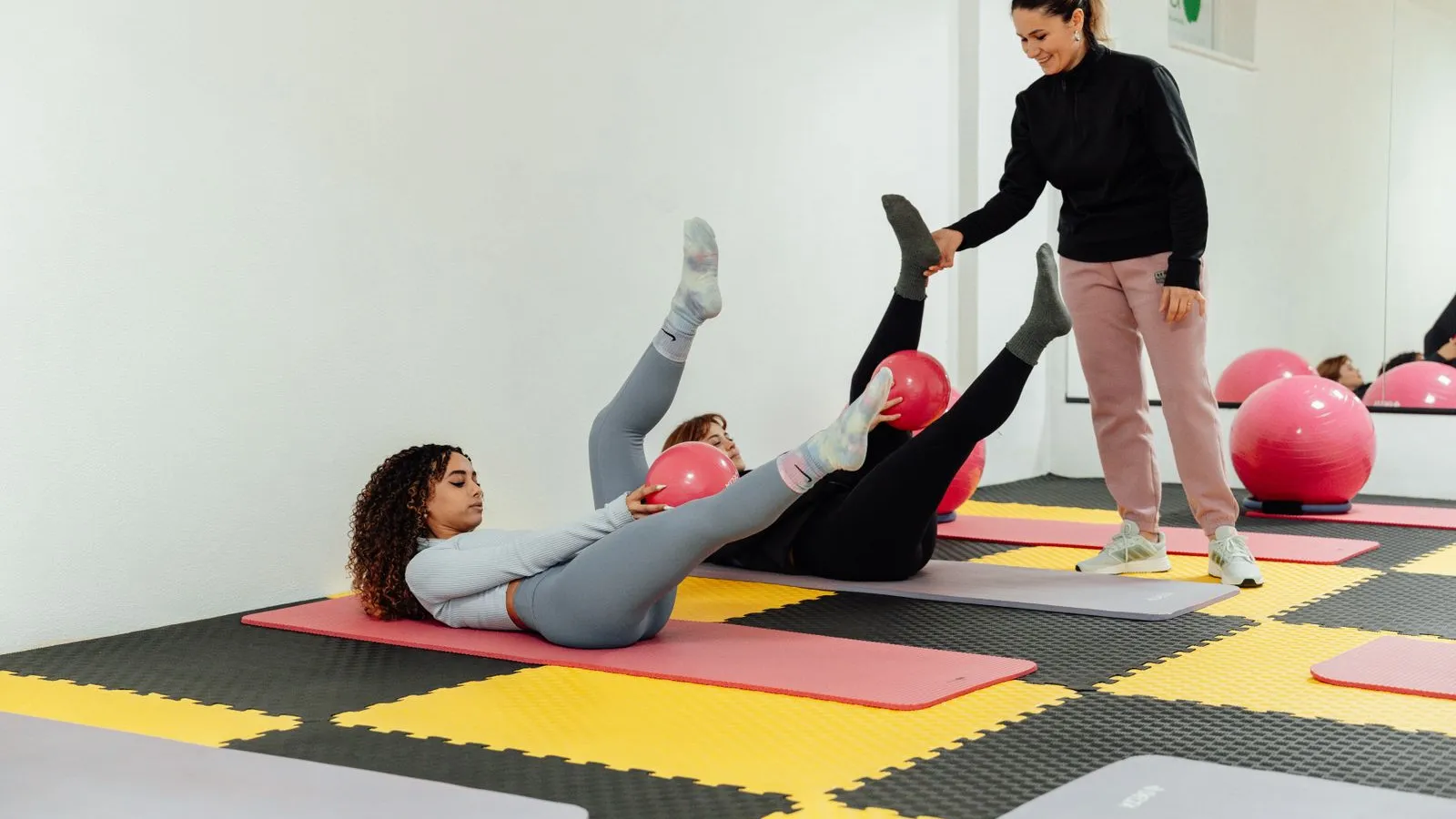
| Class studio | A spot in a scheduled class | One good room and coaches who fill it |
| Coaching gym | Small-group or one-to-one sessions | Skilled coaches and a schedule that suits them |
Many gyms mix these, such as classes in the morning and evening with personal training between. Start with the one you can run well, and add the next once it pays its way.
Find a space that fits the floor plan
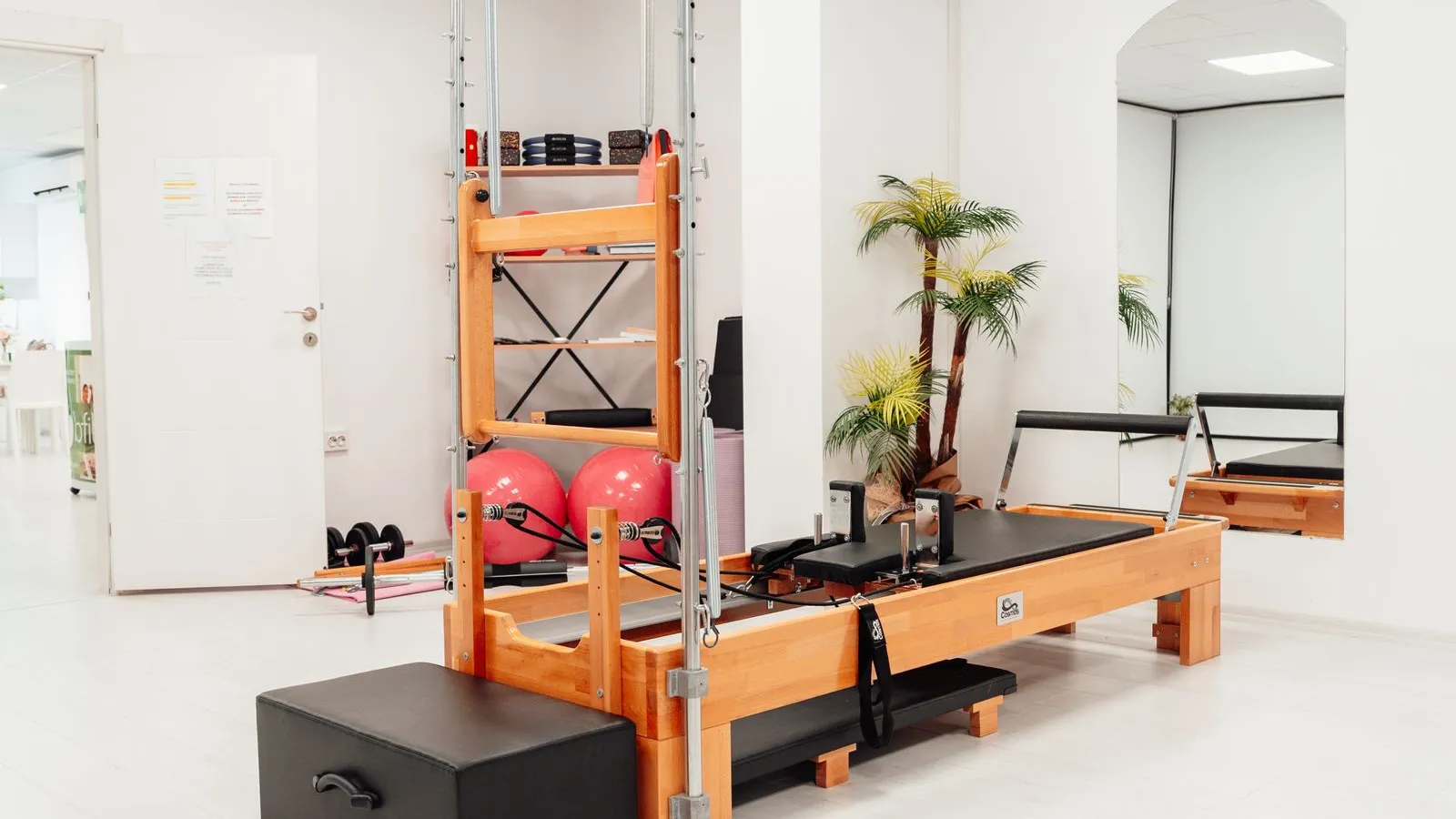
Draw the floor before you sign: where the racks go, where the class floor is, where people change and shower. A space that fits the plan beats a cheaper one you have to fight.
- Check the floor and the neighbors. Dropped weights, music, and jumping carry. A ground-floor unit is usually easier for heavy lifting than an upper floor over another tenant. Ask the building administrator what they allow.
- Plan for showers and a comfort room. Members training before work in BGC, Makati, or Cebu IT Park need to leave ready for the office.
- Check whether the fit-out needs a building permit. Renovations go through your city's Office of the Building Official.
- Divide the rent by your capacity. Say rent is ₱120,000 a month and you can run 120 classes a month. Each class carries ₱1,000 of rent before a coach is paid.
Register the business and get your permits
Work through the offices in order, since each asks for the papers from the one before. Allow several weeks, and start while the fit-out is underway.
- Register the name with DTI if you're a sole proprietor (₱200 to ₱2,000 by scope, plus ₱30 documentary stamp tax, as of 2026; valid five years), or with the SEC as a corporation or partnership.
- Get a barangay clearance where the gym is.
- Apply for a mayor's permit at the business permit office with the lease, a zoning clearance, a fire safety inspection, a sanitary permit, and the certificate of occupancy.
- Register with BIR using Form 1901 for a sole proprietor, online through ORUS or at your Revenue District Office, and set up your books and invoices.
- Register as an employer with SSS, PhilHealth, and Pag-IBIG before you hire coaches or staff.
Choose memberships, class packs, or both
How members pay changes how often they come. A membership asks for a commitment every month. A class pack asks for one purchase and lets the client set the pace. Most class-based gyms offer both, with a drop-in for trying.
| Option | Best for | Watch out for |
|---|---|---|
| Drop-in | Trying a class, visitors | Price it highest per class |
| Class pack | Clients who come once or twice a week | An expiry that matches the pace |
| Membership, set classes a month | Regulars on a routine | Price it from how often they come |
| Unlimited membership | Your most committed members | Heavy users can pull your average per class below your cost |
Here is an example with made-up numbers. An unlimited membership at ₱4,000 a month is ₱500 a class for a member who comes 8 times, and ₱250 for one who comes 16 times. If a class costs you ₱1,800 to run and usually has six people, you need ₱300 a head. Check how often your most loyal members come before you set the price. See how to price class packs and memberships.
Write your freeze rule before the first member travels or gets injured. A clear freeze rule gives a member who travels or gets hurt a reason to pause instead of quit.
Put a waiver and a health check in place
Before someone trains with you, you want two things on record: that they agreed to your terms, and what you should know about their health. Those are two different documents.
- A waiver is terms the member accepts once: what the training involves, and what you ask of them, such as telling a coach about an injury. Keep it short and plain, and have a lawyer check the wording.
- An intake form asks questions: injuries, conditions, medications, pregnancy, goals. Ask yes or no first, with room for detail, so a coach can scan it before class.
Health answers are personal information. Collect only what a coach will use, keep them where only coaches can see them, and read the Data Privacy Act of 2012 with your lawyer. See how to set up intake forms and waivers.
Hire coaches and agree how they're paid
Coaches are the people members see every visit. Hire people you have watched coach a real session, and look at how they handle a beginner, not only how they train.
- Group classes: a rate per class, a salary, or a base plus a rate per class. Agree what happens when a class is canceled.
- Personal training: a share of each session's price, a flat rate per session, or part of a salary. Sell training in packages, so clients commit to a run of sessions.
- Levels: if a head coach charges more than a junior, give each level its own price and its own packages.
Put the pay rules in writing before the first session. For the arithmetic, see how to sell personal training packages and how to work out staff commissions.
Run memberships, classes, and payments in one place
A spreadsheet of who paid this month works for twenty members. At a hundred, renewals slip, packs expire unused, and coaches walk into class without the health answers. Set up your system before you sell the first membership.
Onsuki sells memberships with unlimited classes or a set number per period, class packs, and a first-timer offer only new clients can buy. Each renewal is a bill emailed to the member with a link to pay, with one reminder after four days, and the Purchased tab shows who has paid. Members can freeze within the limits you set. Your waiver is agreed at checkout the first time a client books, and on a class roster a Health tag marks members who answered a health question with something other than a no. See Packages and memberships and Gyms.
Members pay with your own GCash, QR Ph, or bank account, or in person. Personal training packages can be limited to a coach's level, and Commissions works out each coach's pay. The Expiring Soon report lists packages and memberships ending in the next 14 days, and Clients to Win Back lists people who haven't been in for 30 days, so you can reach them before they drift away. See Forms.